
Describe the property
Send the location, symptoms, equipment and access details. State whether the work is a repair, replacement or planned project.
Need duct cleaning in Goderich? Tell us which air ducts, dryer vent or ventilation equipment need attention. A responding provider will confirm coverage and availability before booking.
Get A Free QuoteCompare proposals for cleaning both supply and return branches under negative pressure, including contact brushing and register or grille washing. Ask which sections will be photographed before and after.
View scopeCheck whether the scope follows the full vent from the dryer connection to the exterior hood, including lint and debris at the termination. Ask whether airflow readings will be recorded before and after.
View scopeAsk whether the work includes removing and cleaning the blower assembly, washing the evaporator coil in place, and addressing heat-exchanger surfaces. Equipment access and model affect the scope.
View scopeCompare separate coverage for the HRV core, screens, and condensate paths, plus bathroom exhaust and range-hood ducts. Note exterior outlet locations and record the filter sizes for future maintenance.
View scopeDescribe the odour and ask whether its source and ductwork will be inspected and cleaned first. Review the product label, intended use, application details, and any system or re-entry instructions before considering treatment.
View scopeDocument suspected leaks, disconnected joints, and crushed sections. Ask how return-side leaks will be checked and whether damaged duct replacement includes material, connections, and mechanical fastening details.
View scopeList the units, duct areas, and make-up air equipment for review. Compare proposals for kitchen-adjacent runs, rooftop access, scheduling, written scopes, and labelled photographs, and verify record requirements with your property manager or insurer.
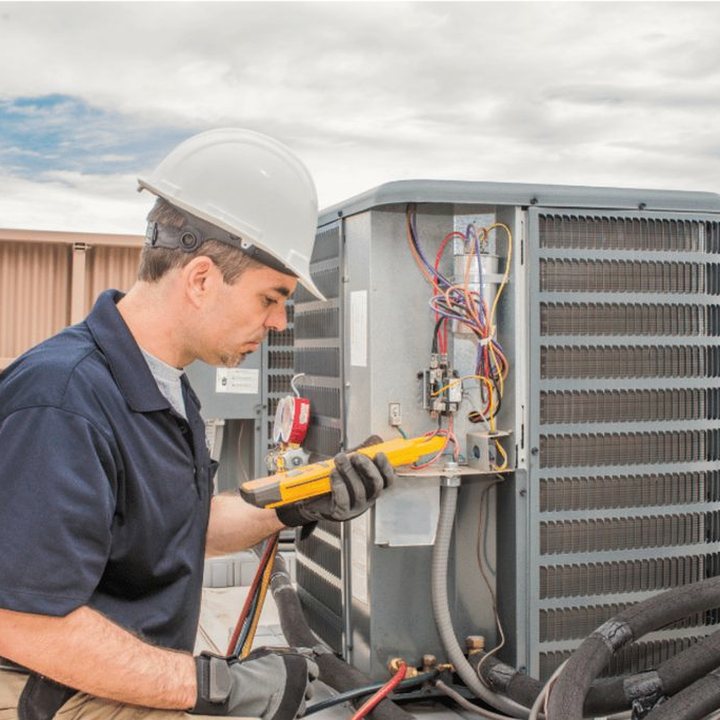
View scopeCommercial ventilation scope varies with the building, equipment, operating hours, and type of system in a Goderich property. Before comparing proposals, list the air-handling units, duct areas, and any make-up air equipment to be considered. If a site includes kitchen-adjacent ductwork, rooftop units, or sensitive business hours, share those details and ask how access and scheduling affect the work. Request a written scope and labelled before-and-after photographs for each included unit. Confirm the documentation format with the property manager or insurer rather than assuming it meets their requirements.
Compare proposals for cleaning both supply and return branches under negative pressure, including contact brushing and register or grille washing. Ask which sections will be photographed before and after. Check whether the scope follows the full vent from the dryer connection to the exterior hood, including lint and debris at the termination. Ask whether airflow readings will be recorded before and after. Ask whether the work includes removing and cleaning the blower assembly, washing the evaporator coil in place, and addressing heat-exchanger surfaces. Equipment access and model affect the scope.
Compare separate coverage for the HRV core, screens, and condensate paths, plus bathroom exhaust and range-hood ducts. Note exterior outlet locations and record the filter sizes for future maintenance. Describe the odour and ask whether its source and ductwork will be inspected and cleaned first. Review the product label, intended use, application details, and any system or re-entry instructions before considering treatment.
Document suspected leaks, disconnected joints, and crushed sections. Ask how return-side leaks will be checked and whether damaged duct replacement includes material, connections, and mechanical fastening details. List the units, duct areas, and make-up air equipment for review. Compare proposals for kitchen-adjacent runs, rooftop access, scheduling, written scopes, and labelled photographs, and verify record requirements with your property manager or insurer.
A dryer vent’s route, length, bends, and exterior termination all affect the cleaning scope for a Goderich property. Ask whether the proposed work follows the full pipe from the dryer connection to the outside hood, and whether the hood will be checked for lint, debris, or nesting material. If the termination faces an exposed side of the building or has a screen, photograph it and ask how it will be inspected. Comparing airflow readings before and after can help document changes in vent performance.
Explore this serviceSend the location, symptoms, equipment and access details. State whether the work is a repair, replacement or planned project.
The request is reviewed so the responding provider can clarify the work, property access and service coverage.
Agree the provider identity, qualifications, written scope, pricing and visit window directly. Sending a form does not confirm an appointment.
Ask whether return-side joints will be inspected and how any proposed seals will be applied. If a return duct runs near a basement, foundation, or dusty storage area, point out the location and photograph accessible connections. The position of a gap can affect the repair priority and scope, so request the specific joints to be included.
If a site has grease-adjacent duct runs, make-up air equipment, or rooftop units exposed to weather, list each system separately for inspection. Their materials, condition, and access can require different equipment and approaches. Ask how the proposal accounts for those differences and whether the price is based on inspected systems rather than an unverified flat scope.
If a property has heritage-era ducts, later additions, or a mix of materials, ask how pressure settings and brush types will suit each section. The material and condition can change the appropriate cleaning method. Share photographs of accessible ductwork or prior alterations so the scope can account for differences rather than assume one approach fits every run.
Find out whether the blower assembly will be removed, cleaned, and reinstalled, or whether the proposal covers only accessible surfaces. Dust on blower wheels can affect airflow, while the assembly’s design and access determine the practical scope. Photograph the equipment label and ask how the blower will be handled and checked when returned to the cabinet.
Before agreeing to an application, request the product name, label, intended use, application rate, and any instructions about system operation or re-entry. Verify that the label permits use in the proposed setting and follow its directions. Ask for written details for your records; do not rely on a general claim that a product is safe or effective.
Use the form to describe the property, the symptoms and the work requested. For Clinton, Bayfield, Seaforth, Zurich, include your postal code so local coverage can be checked.